
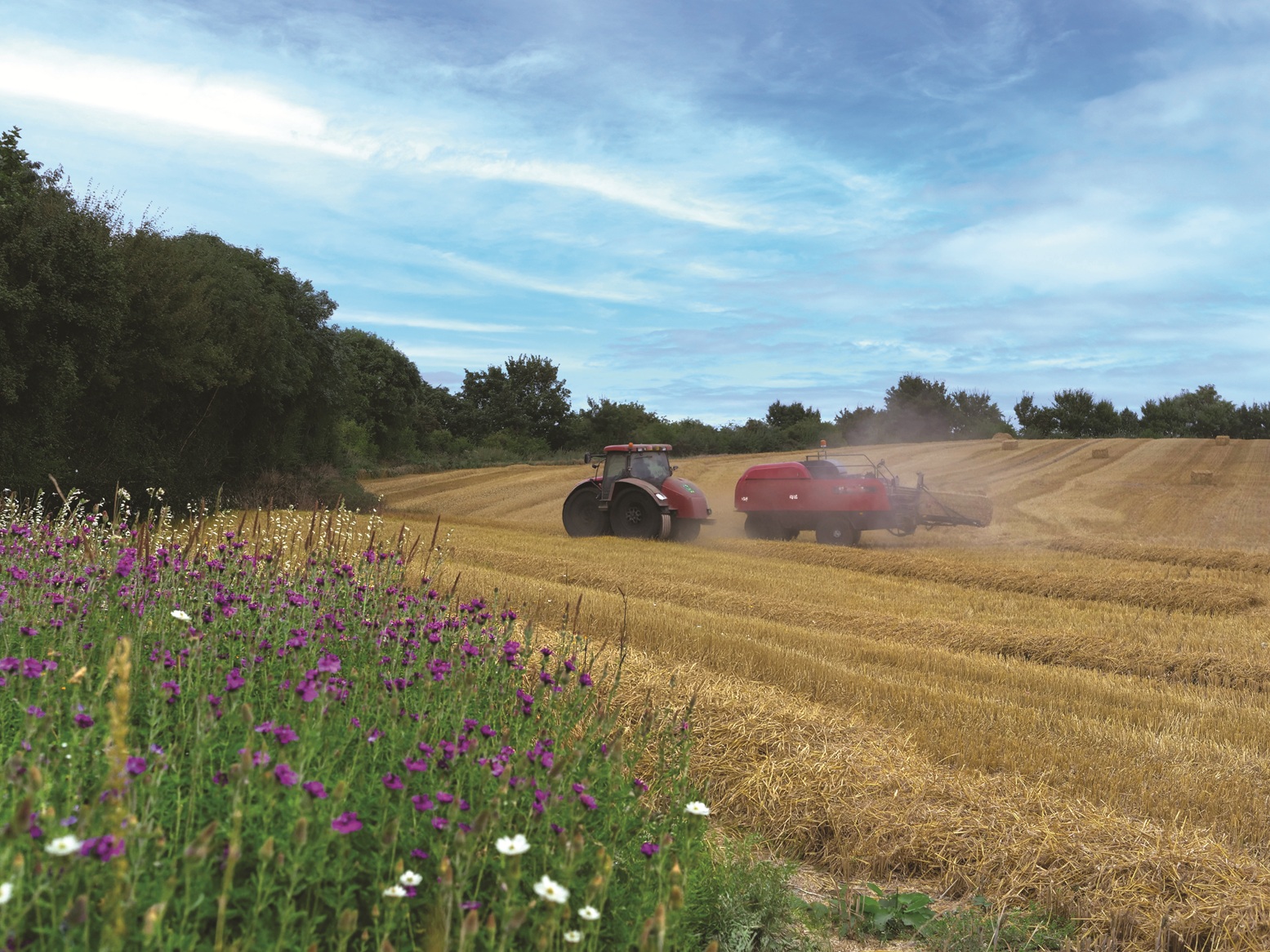
Discover the science supporting our farmers to become more nature-friendly and adapt to a changing climate. How do we use new technology to find out more about the wildlife on our farms? What kind of food will we be growing in the UK in 2050? How can we choose meals which need less water to grow as our weather becomes drier?
Secret soil songs
Lots of different animals like ants, beetles and earthworms live in the soil and help to keep it healthy, but did you know that they all make noise? Listen to the sounds of the soil – what do you think they sound like?
Some beetles, and in some cases even their larvae, make sounds by rubbing their body parts together, known as stridulation.
Listen to this earthworm as its body contracts and it moves through the soil:
A colony of ants makes a sound similar to television static:
We think of bees as flying insects, but they also dig! Listen to this ivy mining bee as it moves through the ground:
We record these sounds using a special device called a soil acoustics monitor. This big needle picks up vibrations in the soil that the animals make. By listening to these sounds we can find out what’s living in the soil without having to dig a hole and disturb the animals in their home.
Moths at the movies
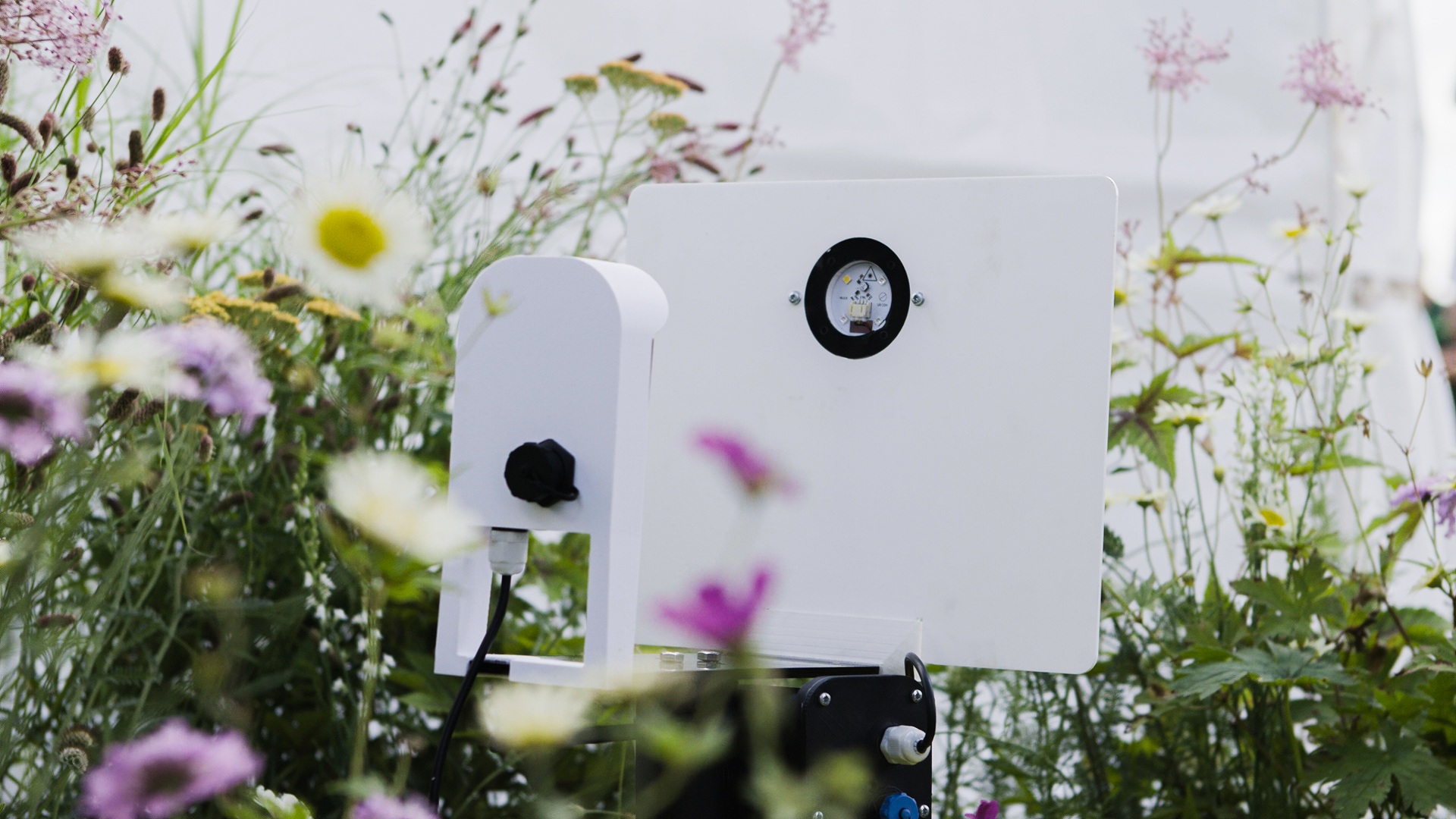
Moths are really important as they pollinate plants and are a food source for birds and bats. This white box doesn’t look like much, but it’s actually a cutting-edge piece of technology that helps us monitor moths. The light attracts moths which crawl around on the back board before they fly away completely unharmed. The camera on the other side records the moths, like a moth photobooth, and sends the pictures and films to our scientists. Watch the system in action.
We’ve trained an AI algorithm to identify the moths. 100,000 hours of data would take 30 years to analyse but can be done in two weeks using AI.
Because the photobooth has solar panels and sends the information to us through the cloud, we can study moths in very remote places without trapping them.
These devices are helping farmers to understand what insects they have living on their farm and if their efforts to help nature are working.
Become a citizen scientist
All you need is a smartphone to record the wildlife around you. You and your family can take 10 minutes to sit amongst the flowers and record pollinators in a Flower-Insect Time (FIT) count, or you can note down any wildlife you see on the iRecord app. Take a look at all the different projects you can take part in.
Food of the future
London had an entire month with no rain for the first time in 155 years in July. When it doesn’t rain for a long time, the crops we need to make our food are smaller than usual or sometimes don’t grow at all! Thanks to UKCEH science, we know that our summers are likely to be hotter and drier from now into the future, so we might need to change the kind of food we grow in the UK.
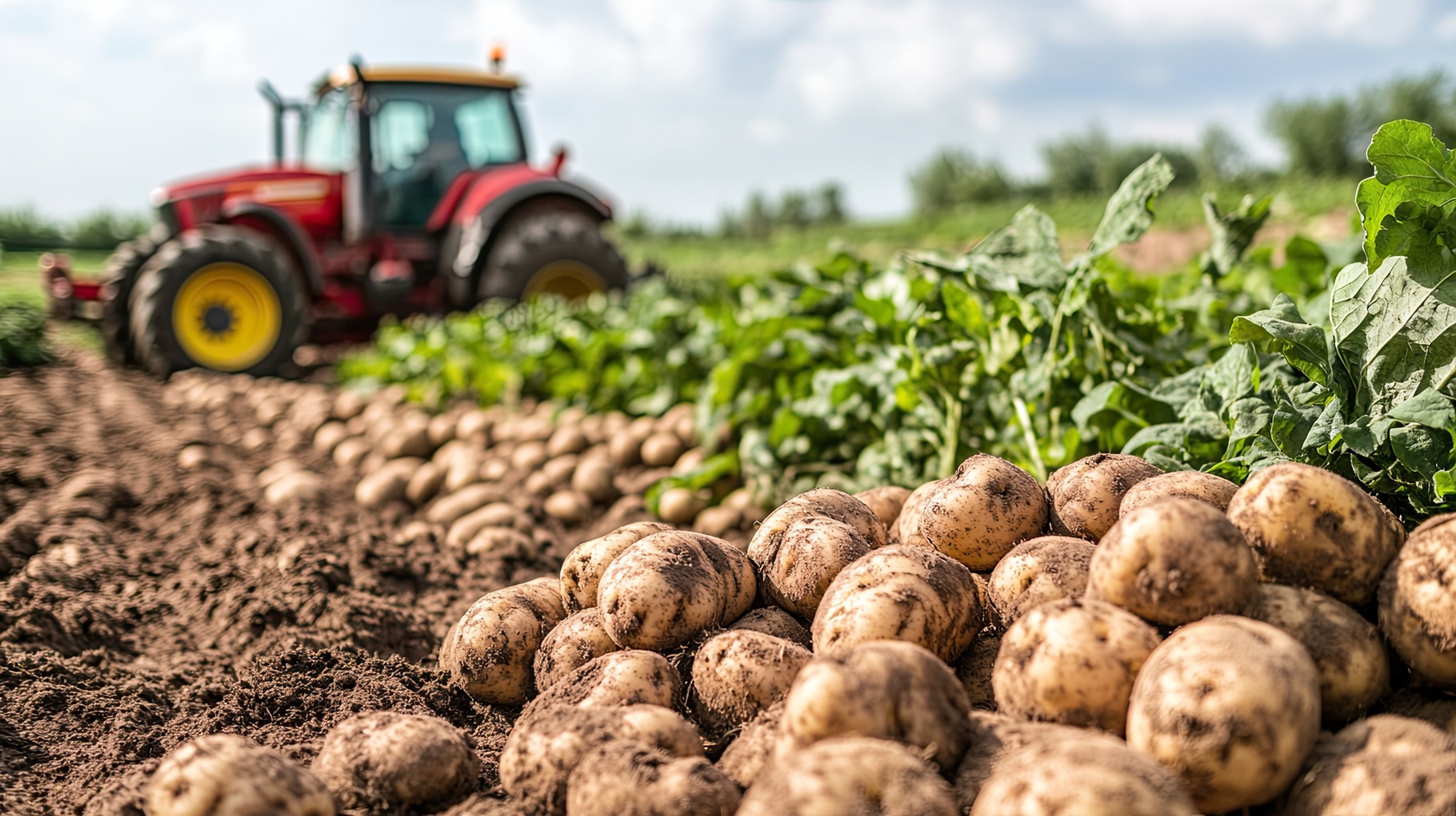
At the moment in the UK we grow a lot of wheat for bread and breakfast cereal and potatoes for crisps and chips. UKCEH science is predicting what crops farmers might be growing in the UK in 2080. Crops that are grown now in Spain and Turkey like chickpeas, the main ingredient in hummus, and haricot beans for baked beans might be some of crops we see in fields in the UK in the future. Find out more about our future crops research on our website.

Watch your water
We need water for lots of things; drinking, washing, keeping cool and watering our gardens. When we get dry weather like we had this summer, we need to work hard to save water. One way we can do that is by choosing foods which need less water to grow, such as eating more beans and pulses.
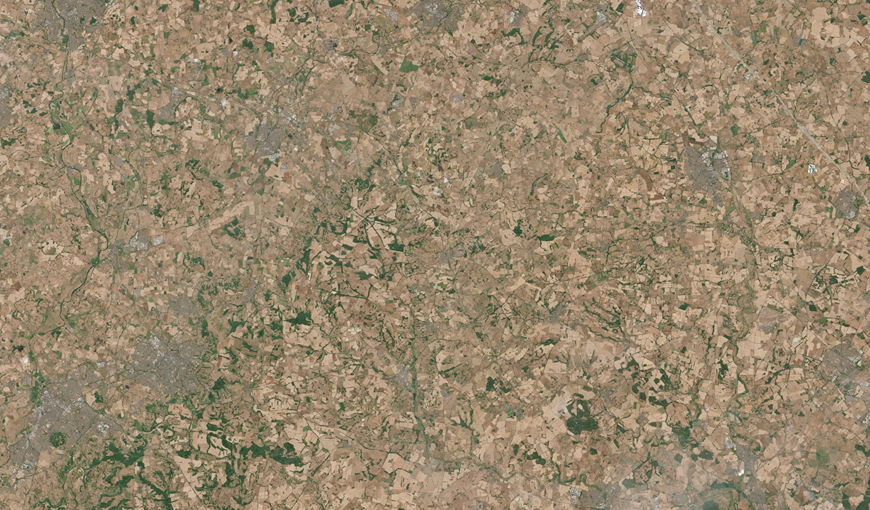
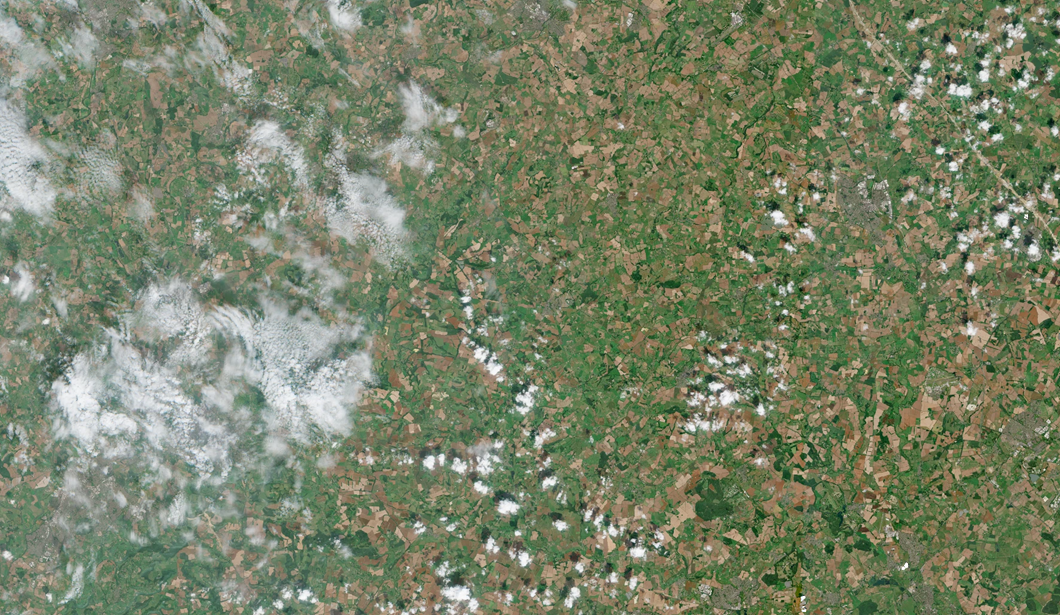
The drought this summer came off the back of one of the wettest winters on record. This quick change from wet to dry and back again is called 'weather whiplash.' As the climate changes, we're expecting this to happen more often and will need to adapt our buildings, food systems and water supply to this more extreme weather. Listen to our podcast to learn more about weather whiplash and how UKCEH science is helping us understand these changes and come up with solutions for the future.
About UKCEH
Environmental change affects the food we grow, the water we drink, the air we breathe and the places we live. UKCEH is an independent, not-for-profit, environmental science organisation that ensures society understands how the environment is changing and what that means for people and nature. Through our science, data, and partnerships, we work across the UK and globally to turn evidence into better decisions, actions and a more resilient future.
Want to learn more about our science? Check out our podcast Counting the Earth, where award-winning science journalist Sue Nelson and UKCEH’s Alice Hope explore the numbers behind nature, picking apart the statistics surrounding climate and biodiversity, and tallying up the contributions that the natural world makes to our lives. Available wherever you get your podcasts.
Visit our main website